Trada Casino history: games, payments and mobile before closure
 Available in GB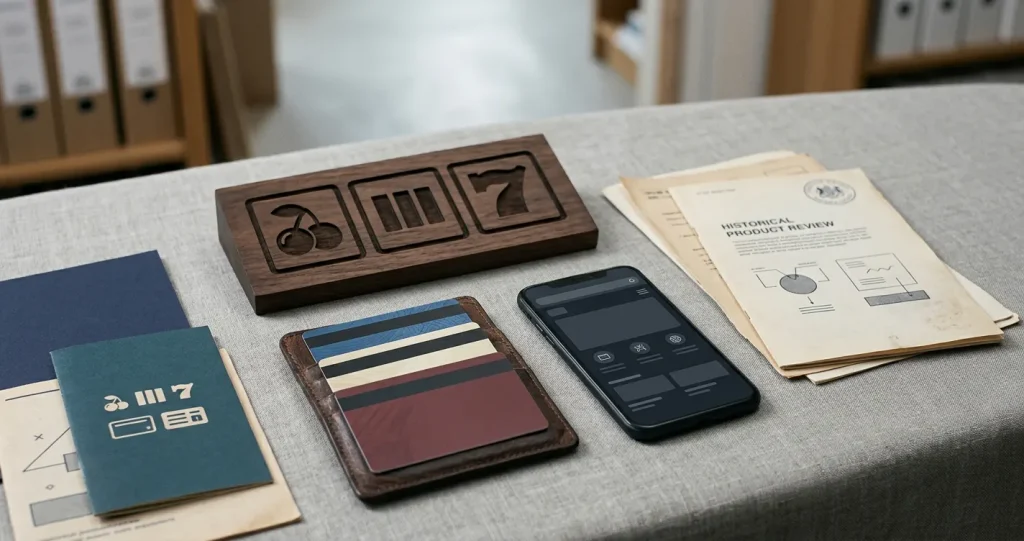
Historical product record
Trada Casino is closed, so the games, payment methods and mobile features on this page are historical rather than current services. Before closure, Trada operated as a multi-provider online casino with slots, table games and live-casino content, accepted mainstream card, e-wallet and bank-transfer methods, and supported play through mobile browsers. The UK Gambling Commission now lists tradacasino.com as Inactive, which means there is no current Trada game lobby, cashier or mobile casino to use on the original operation. The purpose of this page is to preserve what the product used to look like without turning old review material into a live 2026 offer.
Table of Contents
- The useful way to read old Trada feature lists
- Trada's former game catalogue was built around multiple providers
- Why named providers are historical evidence, not a current availability list
- Historical payments: cards, e-wallets and bank transfer
- Mobile play was browser-led, but there is no current Trada mobile casino
- Historical player controls should not be mistaken for a live account panel
- What the former product tells us about Trada's position in the market
- How the product categories fitted together for a typical player
- Why this combined history page is more accurate than separate stale feature pages
- Trada's former product matters as history, not as a live casino offer
The useful way to read old Trada feature lists
Older casino reviews are full of feature tables: game counts, provider names, payment logos, support hours and mobile notes. Those details can still be useful if they are labelled with the correct time frame. The problem begins when a historical list is copied into a page written in the present tense. A provider that once supplied games does not prove that a current lobby exists. A payment method that once appeared in the cashier does not prove that deposits or withdrawals can be made now.
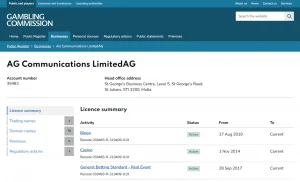
For Trada, the current boundary is unusually clear. The UK Gambling Commission domain record lists tradacasino.com as Inactive. That current regulator evidence takes priority over an old product table. The Trada closure status page explains the operating-status evidence in more detail, while this page stays focused on the former product.
| Feature area | Historically documented | Current 2026 boundary |
|---|---|---|
| Games | Multi-provider casino catalogue | No active original Trada lobby |
| Payments | Cards, e-wallets and bank transfer | No new deposits through the closed original operation |
| Mobile | Mobile-browser play | No current original Trada mobile service |
| Player controls | Limits, self-exclusion and reality-check references in historical profiles | Do not assume an old Trada control panel remains accessible |
Trada’s former game catalogue was built around multiple providers
Historical sources consistently describe Trada as a multi-provider casino rather than a single-studio product. Provider names recorded across older profiles include NetEnt, Evolution Gaming, Play’n GO, Pragmatic Play, Big Time Gaming, Blueprint, Red Tiger, Thunderkick, Nolimit City, Pariplay, Quickspin and Wazdan. That mix points to the type of catalogue common in established UK-facing casinos: video slots from several studios alongside live-dealer and table-game content.
The exact number of games changed over time, so a single historic total is less useful than the provider pattern. Catalogues expand, contracts change and individual titles can disappear by jurisdiction. For a closed brand, repeating a precise old game count would suggest a degree of current precision that no longer exists. The stronger historical statement is that Trada carried games from a broad set of recognised suppliers before closure.
Older AskGamblers material also records classic casino categories such as blackjack, roulette, video poker, bingo, keno and scratch-card style games. Those references explain the breadth of the former catalogue, but they are not a menu of games available today. There is no verified current playable lobby on the original Trada operation.
Why named providers are historical evidence, not a current availability list
A provider list can outlive the casino page that originally displayed it. Review sites often keep profiles online for years, and search engines can surface those pages without making the age of each feature obvious. That is why this page does not turn historical supplier names into statements such as “Trada offers Pragmatic Play” or “you can play Evolution games at Trada”. In 2026, those present-tense claims would conflict with the inactive-domain record.
The distinction also matters for game-specific searches. A user may remember playing a particular slot at Trada and search for the casino and title together. The old association can be historically real while the current service is closed. A search result that contains both names is therefore not evidence that the game can still be launched through Trada.
If the goal is to decide whether the original casino is live, go back to the current status evidence. If the goal is to understand who was licensed around the former operation, see the Trada UKGC licence explanation.
Historical payments: cards, e-wallets and bank transfer
Historical Trada records list mainstream cards, PayPal, Skrill, Neteller, Trustly and bank transfer among the methods used for deposits or withdrawals. This is a useful picture of the old cashier because it shows that Trada once combined card payments with several e-wallet and bank-linked routes.
What the historical list cannot tell you is more important in 2026. It cannot establish that any of those methods still connect to Trada, that an old withdrawal limit still applies, that an old fee still exists or that a payment will be processed within a historic time estimate. The original operation is closed and is not taking new deposits, so exact legacy limits and processing times are intentionally omitted here.
| Historical payment type | Examples recorded for Trada | How to interpret it now |
|---|---|---|
| Cards | Visa and Mastercard | Evidence of the former cashier only |
| E-wallets | PayPal, Skrill, Neteller | Do not treat old wallet support as current |
| Bank-linked method | Trustly | Historical service association |
| Banking | Bank transfer | No current Trada bank-transfer promise |
Former players dealing with an unresolved balance should use the separate withdrawals after closure guide, which focuses on current verification rather than old cashier tables.
Mobile play was browser-led, but there is no current Trada mobile casino
Historical profiles describe Trada as supporting mobile play, with the casino accessible through mobile browsers. That fits the development pattern of many online casinos from the period: a responsive or mobile-optimised site could provide access without requiring every user to install a dedicated native app.
That history should not be converted into a claim that a Trada mobile site or app is available now. Because the original operation is closed, there is no verified current Trada mobile service to recommend. An old screenshot, app-style icon or review paragraph about playing on a phone is evidence of past usability, not a current download route.
This is also why the image on this page is conceptual rather than a recreation of a Trada interface. A fabricated modern-looking casino screen could imply a live product that does not exist. The historical record is better served by describing what the former mobile experience was designed to do and keeping the current closure boundary explicit.
Historical player controls should not be mistaken for a live account panel
Older Trada profiles list responsible-gambling tools such as deposit or loss limits, session controls, self-exclusion and reality checks. Those records are relevant to the history of the product, but they do not establish that a former Trada customer can still sign in and change those settings today.
The difference is practical. A historical feature list describes controls that were part of the operating casino. Once the original service has closed, the question for a former player changes from “where is the limit setting?” to “what current support or regulatory route applies to my old account?” That is why this page does not give instructions for navigating a current Trada safer-gambling menu.
For unresolved account questions, the former-player guide is the more relevant page. It separates old account functionality from current post-closure contact verification.
What the former product tells us about Trada’s position in the market
Taken together, the historic games, payments and mobile records show that Trada was structured as a conventional full-service online casino rather than a narrow single-category site. It combined multiple game suppliers, recognised UK-facing payment categories and mobile-browser access. That explains why so many older reviews contain detailed feature sections and why those pages can still look convincing when surfaced by search engines.
It also explains the main research risk. Rich historical detail can make an old review feel current. A page may correctly remember the providers and payment methods and still be wrong about whether the casino is playable today. Product history and operating status are separate facts and should be verified separately.
That distinction is especially useful when comparing old promotional pages with the current evidence hierarchy discussed on the Trada reviews and trust signals page.
How the product categories fitted together for a typical player
The former Trada experience was not just a list of separate features. The provider catalogue, cashier and mobile site worked as parts of one account journey. A player could browse games from several studios, fund the same account through a card or e-wallet and then return through a mobile browser without needing a separate mobile-only balance. That integrated structure helps explain why historical reviews often move quickly from game selection to banking and then to mobile usability.
For historical research, this joined-up view is more useful than trying to recreate every old menu. It shows the functional shape of the casino without pretending that a 2026 visitor can follow the same steps. The account journey ended when the original operation closed. What remains is documentation: provider lists, payment references, mobile descriptions and player-control references from sources created while Trada was still a live product.
The same principle applies to archived screenshots or cached pages. They can show how the site was organised at a particular moment, but they should be dated and treated as snapshots. A screenshot of a deposit button is not evidence that deposits work now, just as a screenshot of a game tile is not evidence of a current supplier agreement.
Why this combined history page is more accurate than separate stale feature pages
Games, payments and mobile each have enough historical material to fill a short page, but splitting them into separate current-looking reviews would create three opportunities for stale wording. A “Trada games” page could accidentally imply a live lobby; a “Trada payments” page could look like a current cashier guide; a “Trada mobile” page could suggest that a current app or browser casino exists. Combining them under one explicit historical label keeps the time boundary visible throughout.
It also makes comparison easier. Readers can see that all three feature areas share the same current constraint: the original domain is inactive. That common fact is more important in 2026 than small differences between individual historical sources. Where older sources disagree about a count or minor product detail, this page favours the stable, cross-source pattern rather than forcing a false precision.
Trada’s former product matters as history, not as a live casino offer
Trada’s old catalogue, payment mix and mobile access remain useful historical information because they explain what players once encountered and why older reviews describe the brand in detail. They do not reopen the casino. In September 2026, the strongest current evidence is still that tradacasino.com is inactive in the UKGC domain register.
The safest reading rule is simple: use historical sources to understand the former product and current regulator records to decide whether the original service is active. That keeps the record accurate without erasing Trada’s history or turning it into a present-day offer.